Sponsored by The OECD Co-operative Research Programme: Sustainable Agricultural and Food Systems

Keynote Speakers
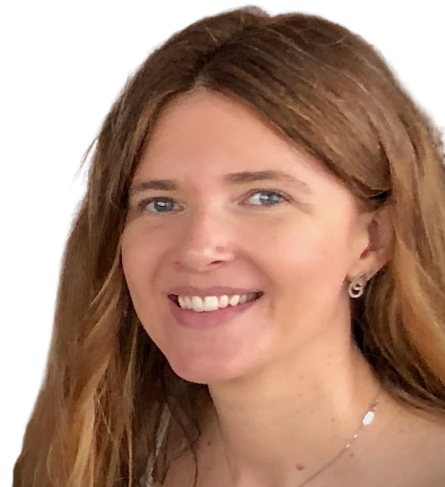
Prof. Solange Duhamel
Molecular and Cellular Biology Department
University of Arizona, USA
Marine microbial cycling of organic phosphorus
Dr. Solange Duhamel is an Associate Professor in the Department of Molecular and Cellular Biology at the University of Arizona, with joint appointments in the BIO5 Institute, Lunar and Planetary Laboratory, Environmental Science, and Ecology & Evolutionary Biology. Her research focuses on understanding the role of microorganisms in marine biogeochemical transformations, with particular emphasis on phosphorus cycling.
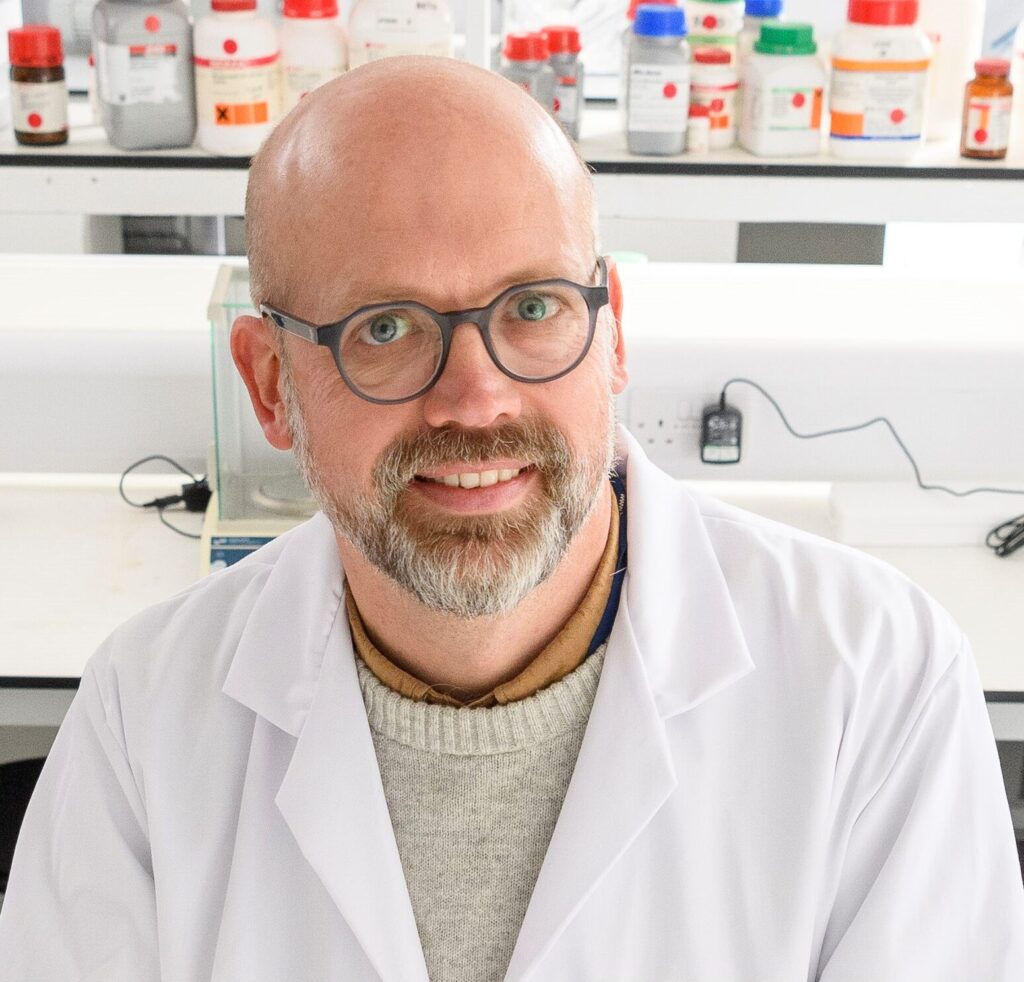
Prof. Tim George
Ecological Sciences
James Hutton Institute, Dundee, UK
Unlocking organic phosphorus for agricultural sustainability: From rhizosphere processes to agroecosystem cycling
Dr. Tim George is the Director of the International Barley hub and been a principal investigator at the James Hutton Institute since 2007. He holds honorary professorial positions at Universities of Nottingham and Aberdeen. He is a Rhizosphere Scientist working on understanding the physiology of and genetic controls on plant responses in the rhizosphere to nutrient and water stress associated with climate change. In particular, he is interested in how plants interact with the soil chemical, biological and physical environment to impact resource capture. A theme of this research in the last 30 years has been a focus on organic phosphorus. Tim currently leads projects EU Horizon Europe Programme and was recently elected as President of the International Society of Root Research and President of the European Plant Science Organisation.
Invited Speakers
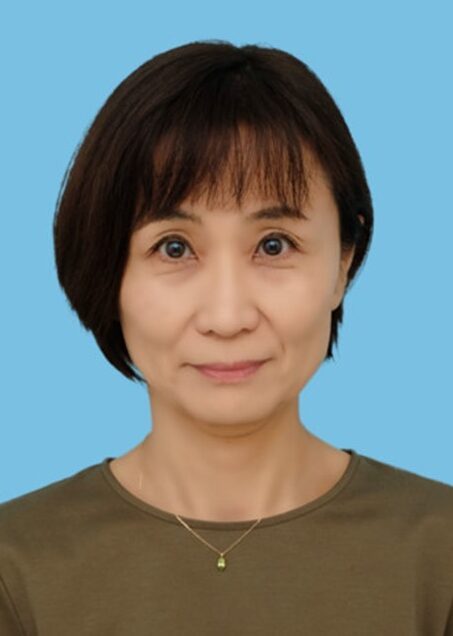
Dr. Yuki Audette
CHITOSE Laboratory Corp., Japan
Soil organic matter as a regulator of P availability: Linking soil functions to circular nutrient systems
View Bio
Dr. Yuki Audette is a senior manager at Chitose Laboratory Corp., Japan, working at the interface of soil science and environmental assessment. She previously conducted research at the University of Guelph, Canada, focusing on the mechanistic understanding of soil organic matter dynamics and phosphorus bioavailability, particularly the coupling between chemical and biological processes in soils. She is currently investigating soil–plant–microbe interactions governing nutrient availability and developing integrated evaluation frameworks for bio-resource circulation systems by linking soil functional processes with life cycle assessment (LCA). Her work focuses on enabling system-level decision-making for sustainable nutrient management and circular resource use.
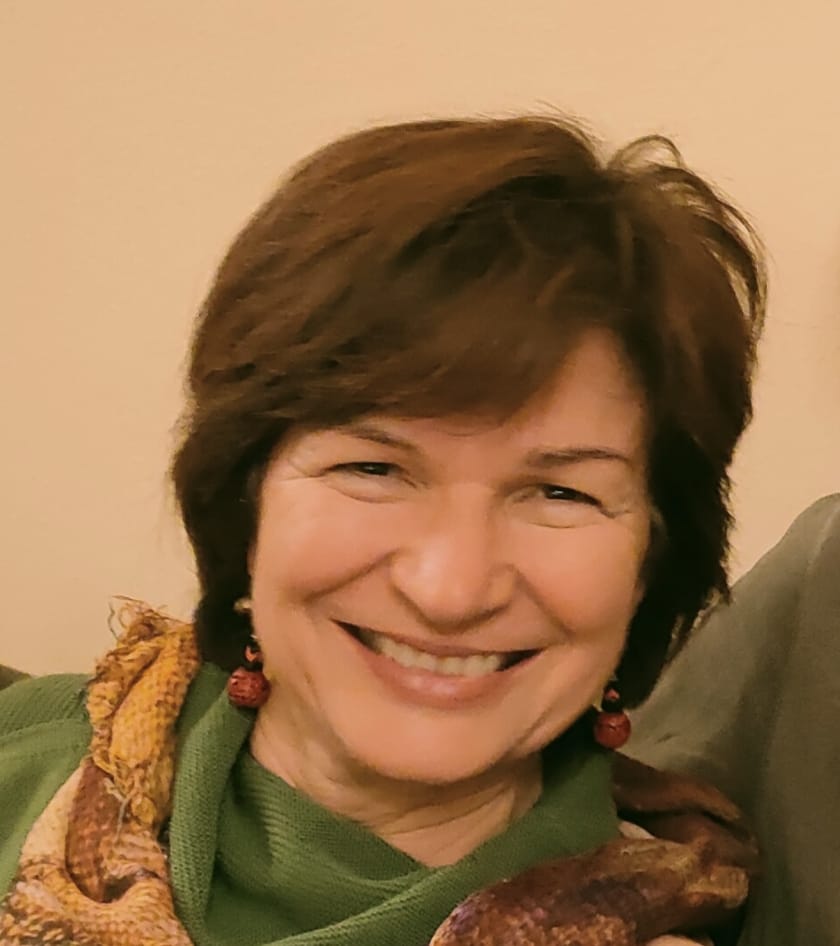
Prof. Luisella Celi
University of Turin, Italy
The organic matter–phosphorus nexus in agroecosystems: from biogeochemical cycling to resource recycling
View Bio
Dr. Luisella Celi is Full Professor in Soil Biogeochemistry at the Department of Agricultural, Forest and Food Sciences of the University of Turin (ITALY) where she serves as ViceRector for Research (2025-2031). She has an academic education in Chemistry, Ph.D. in Agricultural and Environmental Science and 30 years of expertise and background in nutrient cycling in soil and plant nutrition. She is internationally renowned for her studies on interactions between carbon and nutrient cycles in agricultural ecosystems, with special emphasis on soil biogeochemical processes that can optimize crop productivity and limit nutrient losses. Most studies have been devoted to understanding the processes that control inorganic and organic phosphorus bioavailability in soil and plant responses to combined abiotic stress. She has coordinated and/or taken part in many national and international projects. She is author of over 300 scientific publications, 12 book chapters, 1 patent, Editor of SOIL, and member of the Editorial Board of Geoderma and of the Journal of Biology and Fertility of Soil.
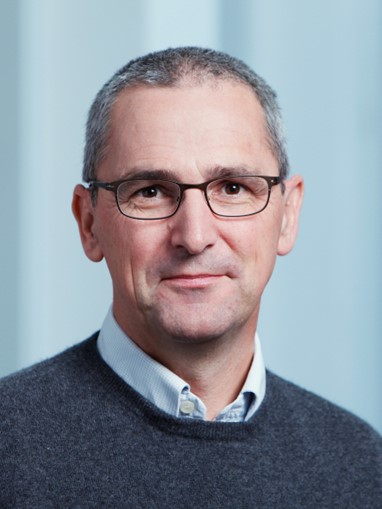
Prof. Emmanuel Frossard
ETH Zürich, Switzerland
Terrestrial “organic” phosphorus dynamics: the impacts of global change
View Bio
Dr. Emmanuel Frossard did his doctoral thesis in soil science at the university of Nancy (France). After a postdoc at the university of Saskatchewan (Canada) from 1985 to 1987, he became lecturer in soil science at the university of Nancy and then from 1994, professor of plant nutrition at ETH Zurich from which he recently retired. During his career he worked with his research group on the cycles of P, N and Zn in soil plant systems using radioactive and stable isotopes and spectroscopic approaches both in temperate and tropical agroecosystems.
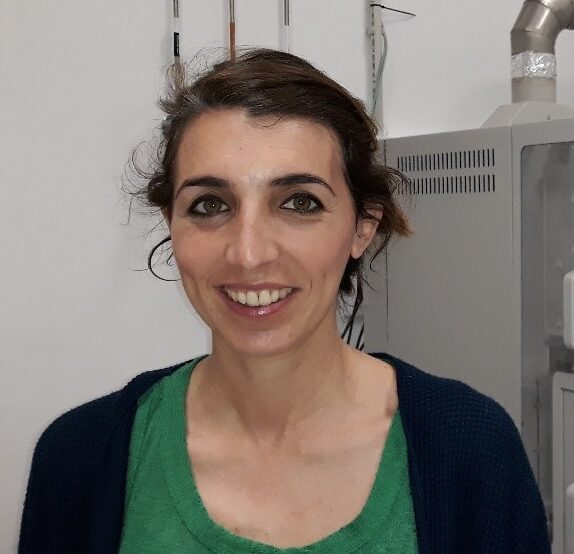
Prof. Ana García-López
University of Seville, Spain
Availability of organic phosphorus for crops, from the dominant soil pool to an agronomic resource
View Bio
Dr. Ana M. García-López is an Assistant Professor in the Department of Agronomy at the University of Seville, with expertise in soil fertility and fertilization management. Her research addresses phosphorus cycling in agricultural soils, the dynamics of micronutrients such as iron and zinc, nutrient availability, and the development of sustainable fertilizers. Her work emphasizes circular economy strategies and the utilization of agro-industrial residues. Dr. García-López has participated in several Spanish national projects and EU Horizon Europe Programme initiatives aimed at enhancing the sustainability of agricultural systems and optimizing resource use. She received the 20th Fertiberia Prize for the Best PhD Thesis in Agricultural Topics, which recognized the quality of her research in soil science and fertilization. She maintains a strong record of scientific publications in international journals and regularly contributes to conferences and outreach activities, advancing sustainable and efficient agricultural practices.
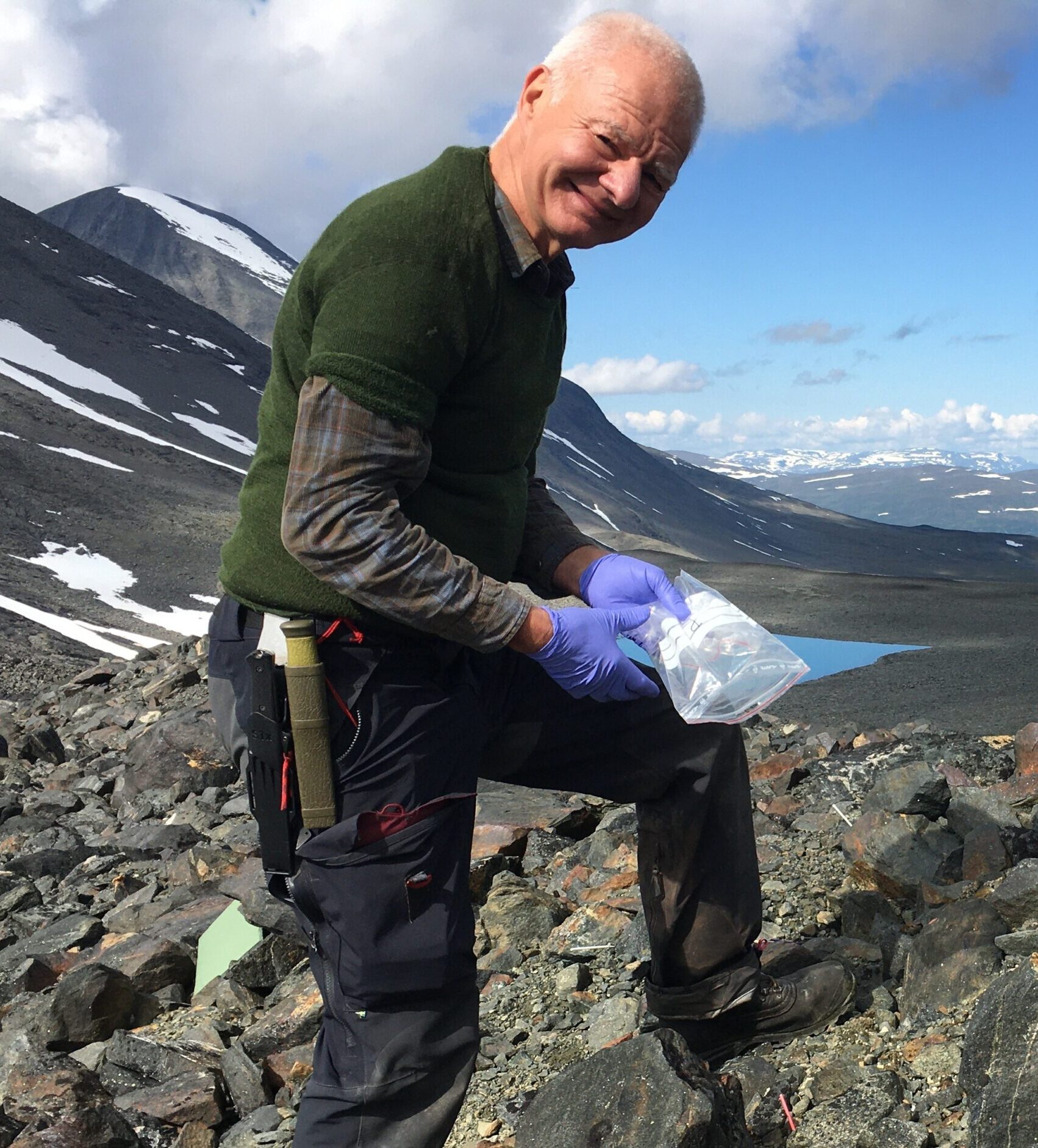
Prof. Reiner Geisler
Umeå University, Sweden
Organic phosphorus and climate change: Lessons from arctic Tundra landscapes
View Bio
Dr. Reiner Geisler is Professor Emeritus at the Department of Ecology, Environment and Geoscience at Umeå University, Sweden. His research focuses on biogeochemical processes, primarily in boreal and Arctic terrestrial and aquatic ecosystems. He has long been particularly interested in phosphorus, with emphasis on organic phosphorus forms, soil–mineral interactions, and microbial and plant access to phosphorus. He has investigated how iron and aluminium control phosphorus sorption, transformation, and bioavailability, combining field studies across boreal, subarctic, and Arctic systems with spectroscopic approaches such as ³¹P NMR. My work also addresses how grazing, nutrient inputs, disturbance, and climate‑driven processes influence phosphorus dynamics and ecosystem functioning.
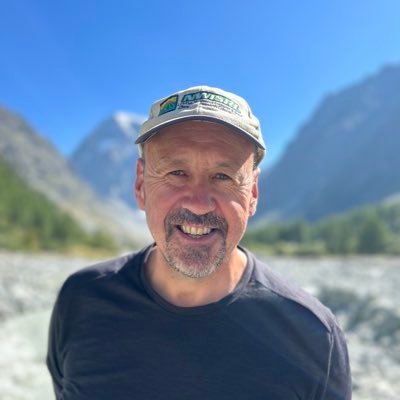
Prof. Phil Haygarth
Lancaster University, UK
Phosphorus, food security and a changing climate
View Bio
Dr. Phil Haygarth has been working on the phosphorus cycle for over 30 years, initially focusing on agricultural grassland systems at Rothamsted (North Wyke), and more recently on catchment science and the global phosphorus cycle since joining Lancaster University in 2008. Throughout this work, he has maintained a strong intellectual curiosity about the role of organic phosphorus in these systems and how these forms may be affected by climate change. Phil and colleagues organised the Organic Phosphorus Workshop in 2016 and, more recently, the Sustainable Phosphorus Summit in Ghana in 2025.
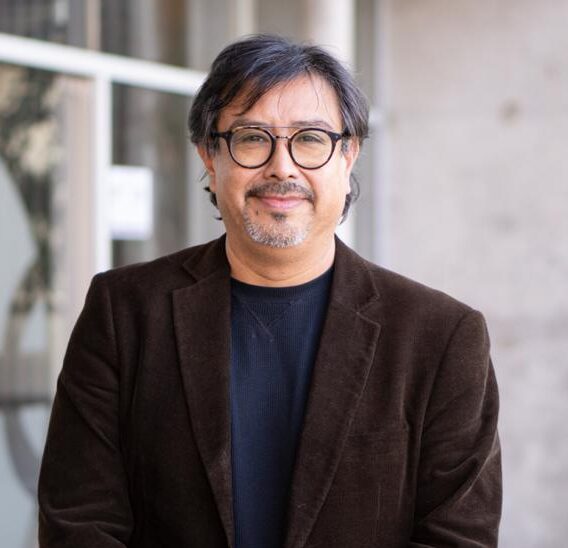
Prof. Milko Jorquera
Universidad de La Frontera, Chile
Effect of addition of phytate on β-propeller phytase genes and predicted phytate-related functions in bacterial communities of an Antarctic rhizosphere soil under indoor and outdoor temperature
View Bio
Dr. Jorquera is one of the responsible of the Applied Microbial Ecology Laboratory (Laboratorio de Ecología Microbiana Aplicada, EMALAB), which is affiliated to the Department of Chemical Sciences and Natural Resources from La Frontera University, Temuco, Chile. The mission of EMALAB is to contribute to our knowledge on the abundance, composition and role of bacterial communities present in agro (pastures, crops and orchards) and extreme ecosystems (Atacama Desert, Patagonia and Antarctic) of Chile.
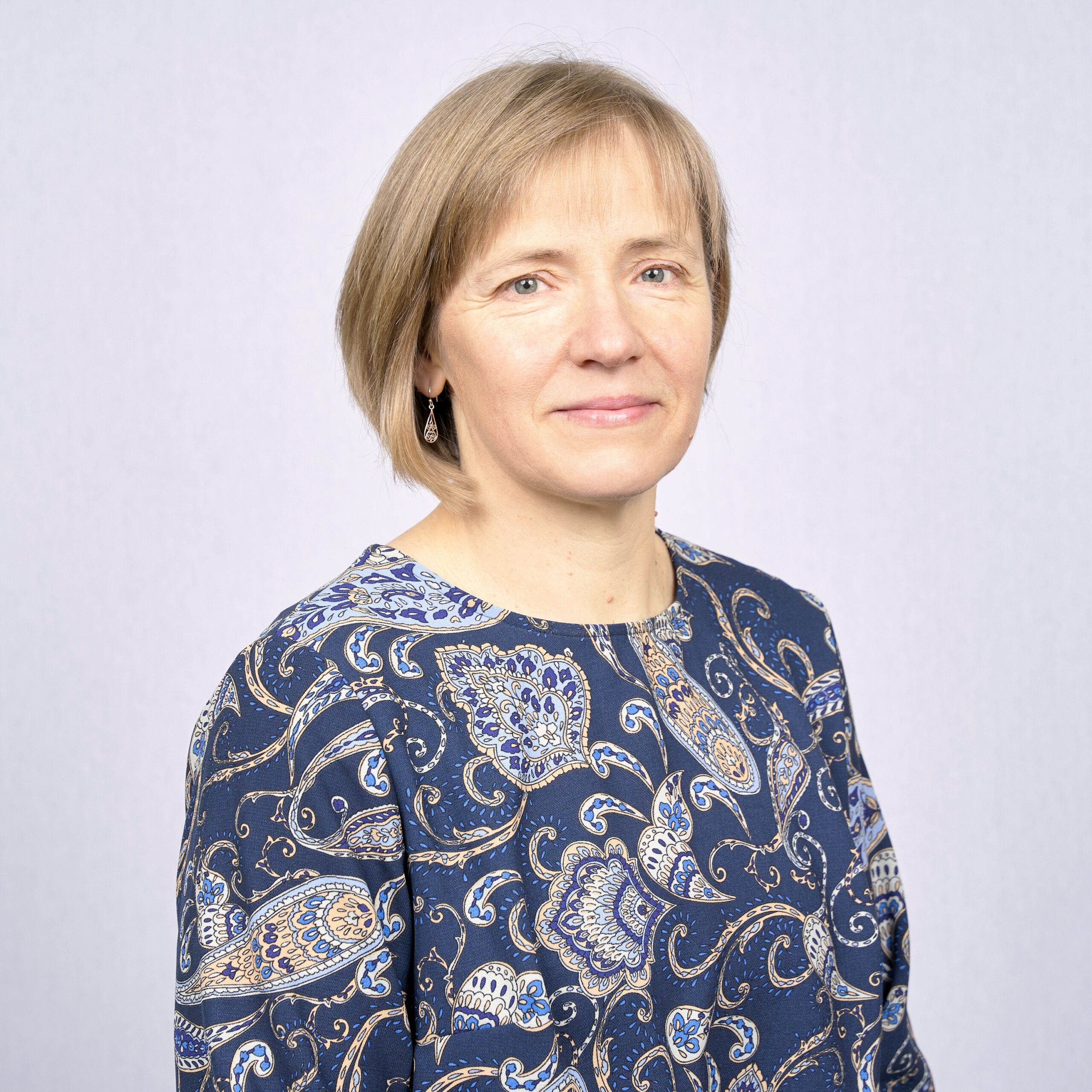
Prof. Anu Kisand
Estonian University of Life Sciences, Estonia
Organic matter and organic phosphorus dynamics in the sediment of a deep boreal lake
View Bio
Dr. Anu Kisand is a researcher at the Estonian University of Life Sciences, working in the Chair of Hydrobiology and Fisheries. Her research focuses on nutrient biogeochemistry and microbial processes in aquatic ecosystems, with particular emphasis on the transformation and bioavailability of phosphorus species in lake sediments. A central theme of her work is understanding the role of organic phosphorus in supporting ecosystem productivity, including its contribution to internal phosphorus loading. Through her research and international collaborations, she contributes to advancing a mechanistic understanding of aquatic nutrient cycling, with relevance for both fundamental limnology and ecosystem management.
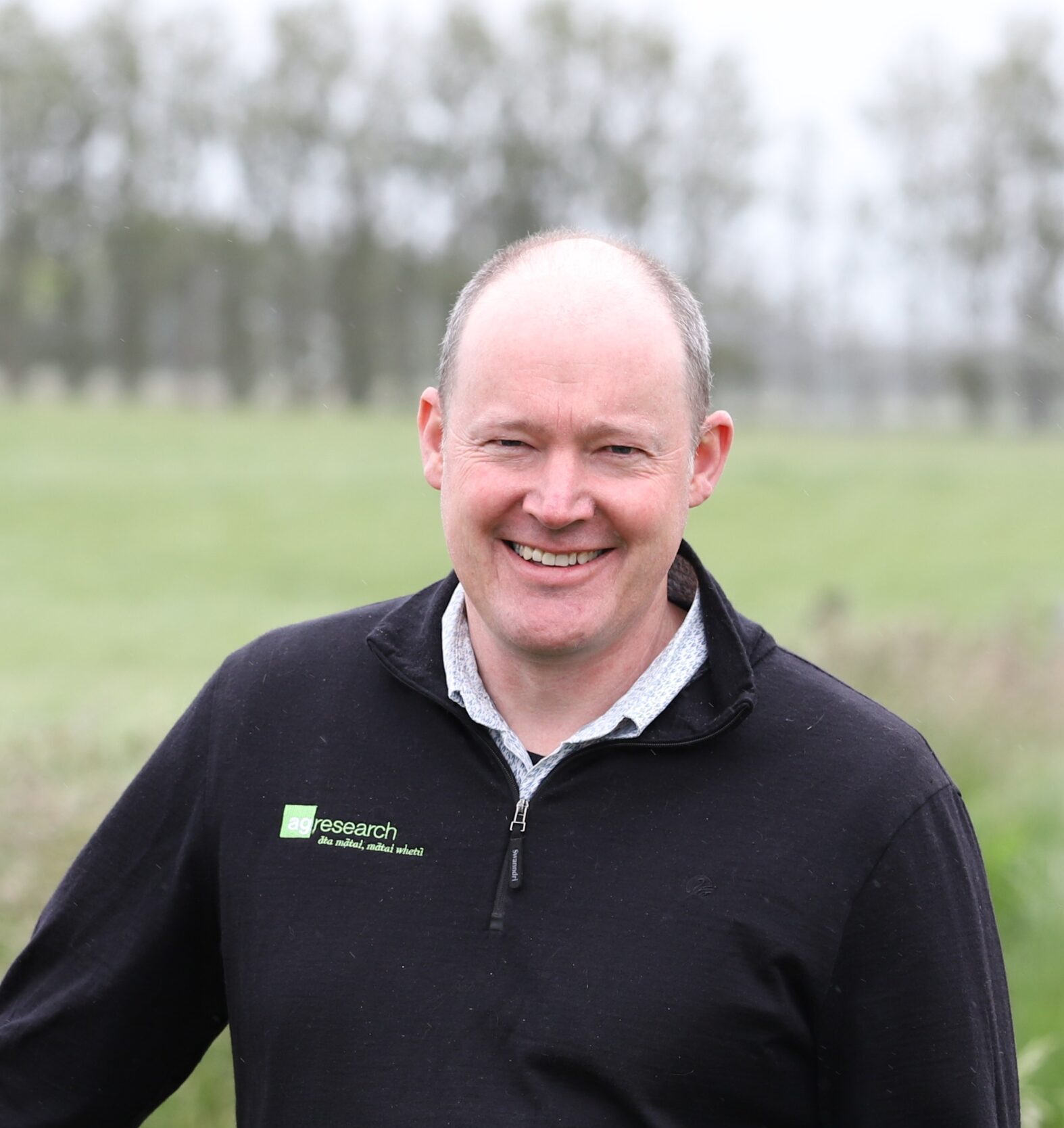
Prof. Richard McDowell
New Zealand Institute for Bioeconomy Sciences and Lincoln University, New Zealand
What we’ve learned from inorganic phosphorus databases and what’s missing for organic phosphorus
View Bio
Dr. Rich McDowell is a Principal Scientist at the New Zealand Institute for Bioeconomy Sciences, and a Professor at Lincoln University, New Zealand. He is a Fellow of the Royal Society of New Zealand, the New Zealand and British Societies of Soil Science, and recipient of the Hutton Medal from the Royal Society. He is an international leader on the impacts of intensive land use on water quality and has a special interest in providing options and tools to mitigating contaminant losses from land to water while maintaining profitable farming enterprises. His work has informed and been cited in hundreds of industry guidelines and national and local policy documents in many countries.
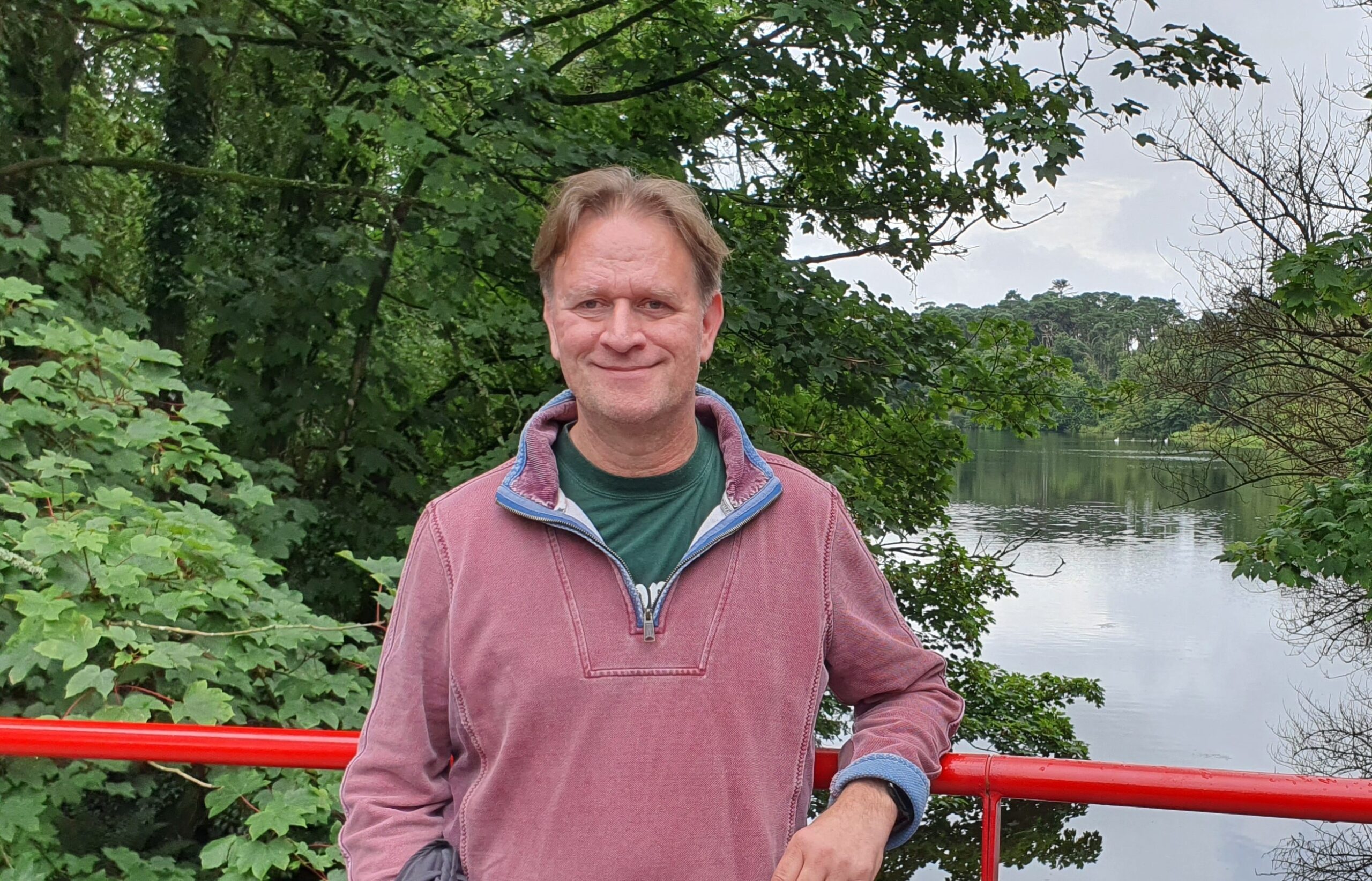
Dr. Per-Erik Mellander
Teagasc, Ireland
Phosphorus losses in agricultural river catchments and implications under future climate scenarios
View Bio
Dr. Mellander is a Catchment Scientist at Teagasc, the Irish Agriculture and Food Development Authority, where he leads water quality research and co-manage the Agricultural Catchments Programme. His research advances understanding of temporal and spatial phosphorus dynamics to support sustainable environmental management and resilient food production in the context of a changing climate.
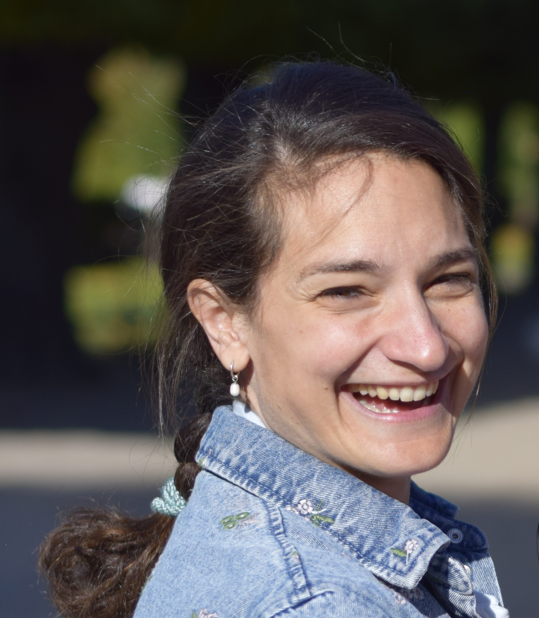
Prof. Nelly S. Raymond
University of Copenhagen, Denmark
How soil development and agricultural management shape microbial pathways of phosphorus cycling
View Bio
Dr. Nelly S. Raymond is an Assistant Professor at the University of Copenhagen working on soil–plant–microorganism interactions with a particular emphasis on phosphorus cycling. With an agronomy background from Bordeaux Science Agro, a PhD in soil nutrient cycling from the University of Copenhagen, and postdoctoral research at the University of Queensland, Nelly studies how microbial processes regulate phosphorus availability and shape plant nutrient acquisition. Nelly’s work aims to advance sustainable strategies for improving soil fertility and crop productivity. Her current research projects involve investigating how organic and recycled phosphorus sources interact with soil biology to support sustainable crop nutrition.
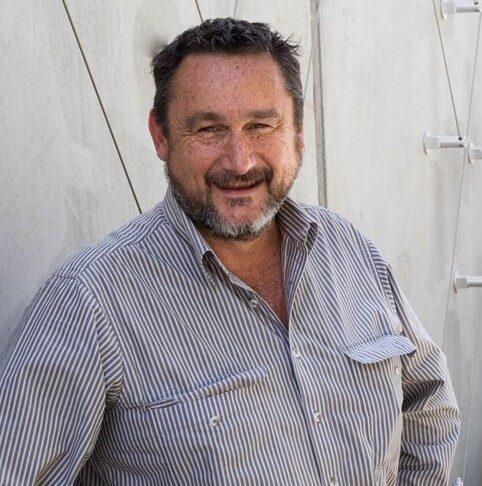
Prof. Alan Richardson
CSIRO Agriculture & Food, Australia
Bioavailability of organic phosphorus in soil – a matter for legacy
View Bio
Dr. Alan Richardson has conducted research and published widely on the soil P cycle with a strong focus in agricultural systems on the bioavailability of organic P in soil as mediated by soil microbial communities and root function. Specific interest has been on the accumulation and characterization of organic P in soil in response to fertilizer application and in particular, the stabilization and mobilization of inositol phosphates in soil through mineralization by phytase enzymes. He has considerable experience in soil biogeochemistry, soil biological function, plant physiology and molecular biology, microbial function and microbial community ecology. Having worked over many decades as a Group Leader and Chief Research Scientist at CSIRO Agriculture & Food, he now acts in a Honorary Research Fellow role.
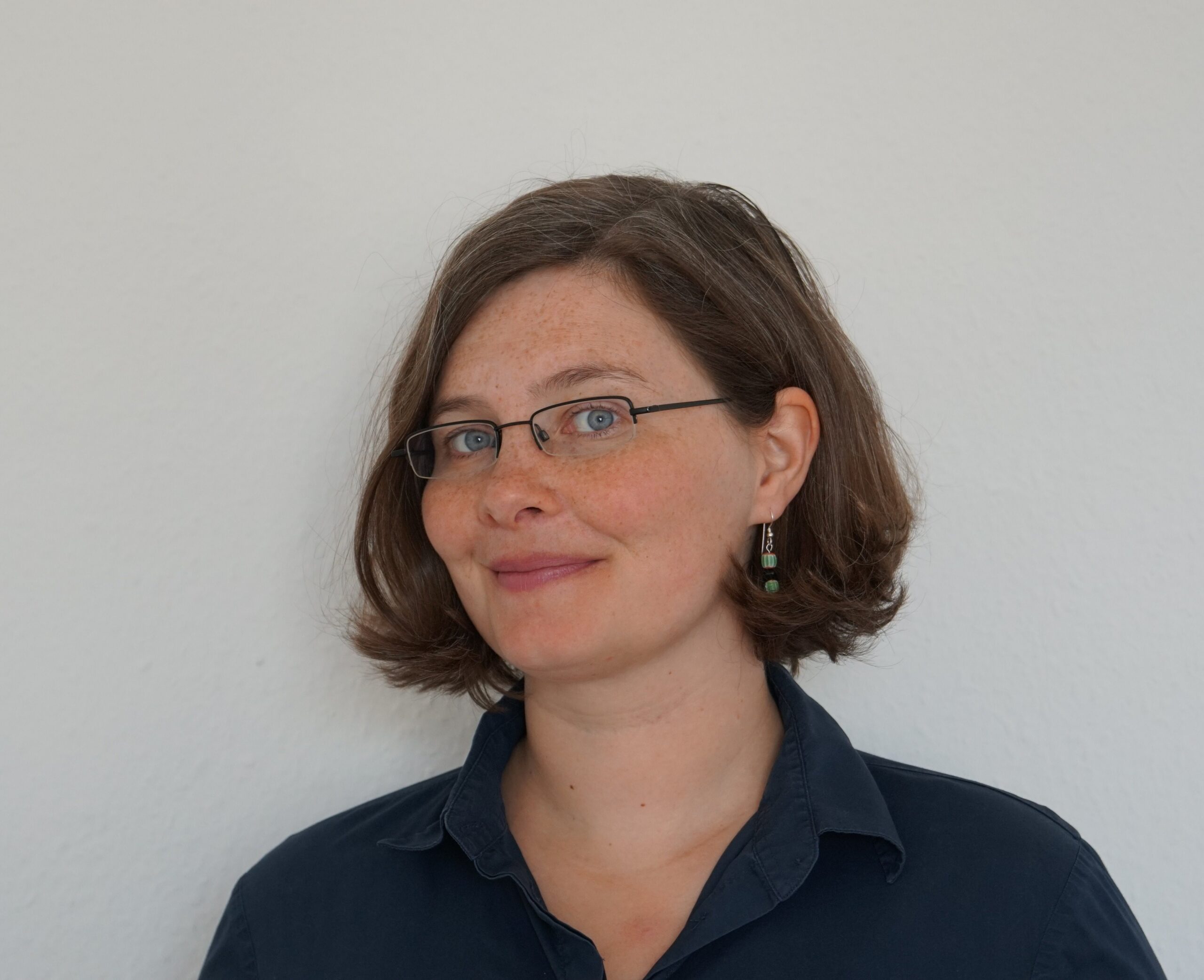
Prof. Marie Spohn
Swedish University of Agricultural Sciences, Sweden
Plant-microbe interactions in nutrient acquisition and organic phosphorus cycling
View Bio
Dr. Marie Spohn is a Professor of Biogeochemistry of Forest Soils at the Swedish University of Agricultural Sciences (SLU). Together with her group, she explores the cycles of carbon, phosphorus, and nitrogen in terrestrial ecosystems. She is particularly interested in interactions between different element cycles and uses a large range of chemical, microbiological, and isotope methods.